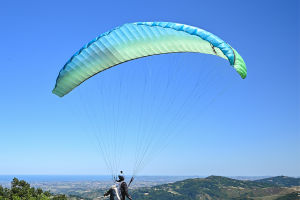
Paragliding is an exhilarating way to experience the world from above, but successful flights start with good planning. Whether you're new to the sport or have years of experience, understanding how to choose the right flight routes and areas is key to maximizing safety and enjoyment.
Let's dive into some strategies that can make your next flight not just fun, but also smarter.
1. Understand Local Weather Patterns
A great flight starts with understanding the weather. Paragliders rely on thermal currents to stay aloft, and knowing when and where to find these can make all the difference.
Example: A paragliding club in the Swiss Alps takes into account prevailing wind patterns before each flight. The club monitors forecasts for local thermals and adjusts flight routes accordingly, ensuring a smoother ride and less turbulence.
The key here is to know the temperature and wind conditions for the day. Wind speeds should be manageable—usually less than 25 km/h for most beginners—and thermals need to be strong enough to keep you airborne. Windy areas or coastal zones can offer excellent lift if you know where to fly, but they can also be tricky for less experienced pilots.
2. Know the Terrain
When planning a flight, it's not just about the weather; the terrain matters too. Consider elevation, obstacles, and the direction of the wind.
Example: In mountainous regions, look for valleys or ridgelines that naturally channel the wind. These areas create updrafts, which are ideal for longer flights. For instance, in the French Pyrenees, pilots often launch from areas where the wind naturally funnels through valleys, helping them stay in the air longer.
In flatter terrain, look for areas that have more open space and fewer obstacles like power lines or tall trees. This reduces the chance of unexpected turbulence or risks when landing.
3. Choose the Right Launch Area
Selecting a suitable launch area is crucial. A safe and clear takeoff is your first step in a successful flight. The area needs to have plenty of space, be free from obstructions, and have wind conditions that allow for a smooth lift-off.
Example: A pilot in Oregon opts for a launch zone at a local hill that faces the prevailing winds. This allows them to catch thermals right after takeoff, increasing their altitude safely without getting stuck at low levels.
Choosing a site with a clear landing area is equally important. Knowing where you'll land, especially if things don't go as planned, will ease your mind and help you make confident decisions in the air.
4. Map Out the Return Route
It's easy to get caught up in the thrill of soaring, but always have a plan for getting back down. Mapping out a potential return route, with safe landing zones, is crucial in case conditions change.
Tip: Use a GPS app for pilots, which can help you track your position and ensure you're not straying too far from landing zones. Some apps even display local wind speeds and thermal activity, making your planning process even smoother.
Having a backup landing site mapped out in advance is just as important as the launch site. It's better to know where your emergency landing spots are than to try to figure it out in the middle of a flight.
5. Study Flight Logs and Local Knowledge
If you're flying in a new area, it's worth connecting with other pilots who are familiar with the location. Learning from their experiences can save you time and improve your chances of a smooth flight.
Example: Before flying in a new region of New Zealand, a local paragliding group recommends checking recent flight logs. This helps you spot commonly-used routes, areas with good lift, and places that have proven to be challenging due to weather patterns.
Flying with a guide or as part of a group is also a good way to learn the best routes and strategies. Experienced pilots can show you how they plan their flights, helping you refine your approach over time.
6. Always Consider Safety
No matter how thrilling, paragliding is a sport that requires a strong focus on safety. Always check equipment before takeoff, consider your own skill level, and avoid pushing yourself too far beyond your limits. Safety also means respecting airspace regulations and local laws.
Tip: If you're planning to fly in a commercial area, be aware of any flight restrictions. Many regions have airspace rules that restrict flying in busy air zones, so always check with local authorities before taking off.
Wrapping Up: The Freedom of Flight Awaits
Planning a successful paragliding flight requires more than just an adventurous spirit—it involves careful thought about the weather, terrain, launch areas, and flight routes. By taking the time to learn about your environment, map your flight, and prioritize safety, you can enjoy the incredible experience of soaring through the skies without unnecessary stress. The world is wide, and with the right preparation, every flight can be a new, thrilling chapter in your paragliding journey.