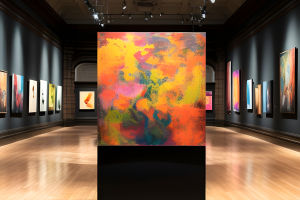
In recent years, digital art has emerged as a powerful force in the art world, changing not only how art is created but also how it is consumed, sold, and perceived.
With advancements in technology, traditional artistic mediums like painting, sculpture, and photography are now complemented—or even replaced—by digital tools, allowing artists to experiment with new techniques and forms.
This shift has led to a significant transformation in the art industry, creating new opportunities for both established artists and emerging talents. But how exactly is digital art reshaping the artistic landscape, and what does it mean for the future of art itself? This article delves into the influence of digital art on the art world, examining how technology is revolutionizing creativity and the traditional notions of art.
Expanding Creative Possibilities
One of the most profound impacts of digital art is its ability to expand the creative possibilities available to artists.
Digital tools—such as graphic tablets, 3D modeling software, and digital painting programs—enable artists to experiment with new textures, colors, and compositions that were previously impossible or impractical with traditional media. These tools also allow for more iterative and flexible creation, enabling artists to explore countless variations of a work before committing to a final version.
• Endless Experimentation: Traditional art forms, while rich in history and technique, often limit the speed and scope of experimentation. Artists working with paint and canvas face the challenges of physical constraints, such as drying time, brush limitations, and the need for constant revisions. In contrast, digital artists can make instant changes to their creations, tweak colors, adjust proportions, and even undo mistakes at the click of a button.
This fluidity leads to more dynamic, innovative work, as artists are free to explore and refine their ideas in ways that were previously unthinkable.
• Combining Old and New Techniques: Digital art also allows artists to combine traditional techniques with modern tools. For example, an artist can create a piece using digital painting techniques while incorporating textures from scanned photographs, blending the tangible and intangible in exciting new ways.
This fusion of old and new methods has created an entirely new artistic vocabulary, one that spans both the past and the future of art.
Redefining the Art Market
Along with its creative possibilities, digital art has reshaped the art market in unexpected ways. While traditional art markets have long been dominated by physical works like paintings, sculptures, and prints, digital art has introduced new forms of ownership, distribution, and value.
The rise of online platforms, social media, and digital marketplaces has allowed artists to reach global audiences without relying on galleries or physical exhibitions.
• Digital Ownership and NFTs: One of the most revolutionary aspects of digital art is the concept of ownership. Unlike physical artworks, which can be bought and sold with a clear chain of custody, digital art poses unique challenges in terms of ownership and authenticity. This is where blockchain technology comes into play.
Non-fungible tokens (NFTs) have enabled artists to sell digital works with proof of authenticity and ownership, offering a new model for buying and selling art. NFTs have sparked controversy and debate, but they have also opened up new avenues for artists to monetize their digital creations and for collectors to invest in virtual art.
• Global Reach and Accessibility: The digital art market has also made art more accessible to a global audience. Platforms like Instagram, DeviantArt, and Behance have allowed artists to showcase their work to millions of people worldwide, bypassing traditional barriers to entry.
This democratization of art has created opportunities for artists from diverse backgrounds to gain recognition and build careers, while buyers now have the chance to support emerging artists from any corner of the globe.
Shifting Perceptions of Art and Authenticity
The rise of digital art has challenged traditional notions of what constitutes art and what makes a work of art "authentic." For centuries, the value of art was tied to the physicality of the medium—paintings, sculptures, and photographs had tangible forms that could be touched, displayed, and preserved.
Digital art, however, exists solely in virtual spaces, making it more difficult for some to accept as a legitimate form of artistic expression.
• The Debate Over Digital vs. Physical: Traditionalists often argue that digital art lacks the soul and permanence of physical works, as digital files can be easily replicated and distributed. However, many digital artists counter that their work is no less valuable or meaningful than physical art; rather, it represents a new medium that allows for a broader range of creativity and expression.
The idea of "originality" has also been upended by digital art, as an artist's work can exist in multiple copies, each with its own unique qualities and variations.
• New Definitions of Authenticity: The concept of authenticity has evolved in the digital age. Rather than focusing solely on the artist's physical hand in creating the work, the emphasis has shifted to the concept of authorship and digital ownership. With tools like NFTs, digital art is now accompanied by verifiable proof of who created it and who owns it, thus granting it legitimacy and value in the art world.
Bringing Art to Life Through Technology
In addition to transforming the way art is created and sold, digital art has also revolutionized how art is experienced. Technology has enabled artists to create interactive and immersive works that engage the viewer in new ways.
Virtual reality (VR), augmented reality (AR), and interactive installations are pushing the boundaries of what art can be, allowing audiences to step inside and interact with art in real-time.
• Immersive Art Experiences: VR and AR technologies have allowed artists to create fully immersive art experiences. For example, digital artists can now design virtual worlds that users can explore using VR headsets, or they can use AR to overlay digital art onto the physical world through a smartphone screen.
These experiences challenge the notion of art as something passive to be viewed from a distance, transforming it into something dynamic and participatory.
• Interactive Art: Digital art has also opened the door to interactive art, where viewers can engage with the piece, influencing its form and outcome. Interactive installations—such as those seen in contemporary museums or galleries—invite audiences to become active participants in the art-making process, blurring the line between creator and viewer.
This type of art challenges traditional concepts of ownership and authorship, as the viewer plays a key role in shaping the final outcome.
Conclusion: The Future of Digital Art
As technology continues to evolve, digital art will undoubtedly continue to reshape the art world in exciting and unpredictable ways. With new tools, platforms, and technologies constantly emerging, the possibilities for creativity, interaction, and accessibility are limitless.
Digital art is not just a passing trend; it is a profound shift in how art is created, shared, and experienced. While it may challenge traditional notions of authenticity and ownership, it also offers new opportunities for artists and collectors alike. As the digital art movement continues to gain momentum, we can expect the art world to become increasingly diverse, dynamic, and inclusive, welcoming new voices and visions from across the globe.
The future of art is digital, and it promises to be as boundless as the imagination itself.