We’re about to explore a fascinating world where art meets emotional wellness. Flower art isn’t just about decorating spaces—it’s a creative way to connect with our emotions and nurture mental well-being.
For centuries, flowers have been linked to human feelings, and today, research shows that the benefits of flower art go far beyond what we might imagine. Let’s dive into the beautiful and uplifting connection between flowers and psychology, and see how we can bring more calm and joy into our lives.
Boosting Mood Naturally
We all know that being surrounded by vibrant blooms can instantly lift our spirits. Scientific studies support this: the scent of fresh flowers stimulates the brain to release dopamine and norepinephrine, neurotransmitters closely linked to happiness and joy. This means that placing flowers in our home or participating in flower arranging activities can reduce stress, ease anxiety, and promote positive emotions. Even small arrangements, like a single bloom in a tiny vase, can make a noticeable difference in how we feel day to day.
Flower Art as Emotional Therapy
Flower art isn’t just visually pleasing—it has therapeutic effects on our mind. Practices like flower meditation or gently arranging petals allow us to focus, relax, and explore our inner emotions. By interacting mindfully with flowers, we strengthen our self-awareness, calm our thoughts, and reconnect with feelings we might often overlook.
These creative activities not only enhance mood but also deepen our understanding of ourselves and the environment around us. Over time, we start noticing subtler emotional shifts, feeling more balanced and centered.
Healing Through Loss
Flowers play an essential role in comforting hearts during times of grief. When we lose someone close, giving or arranging flowers becomes a way to express sympathy and remembrance. Flowers symbolize life’s cycles and continuity, offering a gentle reminder that life persists even through loss.
Studies show that interacting with flowers during mourning can ease sadness, reduce depressive feelings, and gradually help us accept reality while finding moments of peace. Arranging flowers for a lost loved one can even feel like a quiet, healing ritual—one that encourages reflection, connection, and hope.
Flower Art in Modern Healthcare
In today’s society, flower art is widely used in hospitals, clinics, and care facilities. Flower displays create soothing, uplifting environments that positively influence patient recovery and mental health. The sight of colorful blooms can reduce tension, improve mood, and even speed up healing processes.
Beyond this, healthcare workers who engage in flower arranging activities experience reduced work stress, less fatigue, and an increased capacity for empathy and care. By introducing flowers into medical settings, both patients and staff benefit from a calmer, more harmonious atmosphere.
The Perfect Union of Art and Psychology
The connection between flower art and psychology is truly remarkable. Flowers, with their natural beauty, bring healing and tranquility to our minds. Meanwhile, psychology provides guidance on how to design arrangements that carry emotional depth and meaning. Understanding which colors, shapes, and scents elicit calm or energy allows us to intentionally create experiences that nurture mental well-being.
In our fast-paced modern lives, paying attention to this synergy helps us find moments of inner calm and beauty. By letting the fragrance and presence of flowers work their magic, we can invite balance and serenity into our everyday routines.
Practical Ways to Start
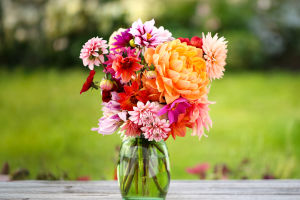
We don’t need to be experts to experience the benefits of flower art. Start small: pick a few blooms, a simple vase, and experiment with arranging them by color, height, or fragrance. Notice how the process affects your mood. Even a few minutes of mindful interaction can calm racing thoughts, spark creativity, or simply bring a smile. Over time, we can integrate flower arranging into daily rituals—on the desk, bedside table, or kitchen counter—turning ordinary spaces into sources of comfort and inspiration.
Bring Flowers Into Life
We invite you to explore flower art yourself. The more we play with colors, shapes, and scents, the more we feel its gentle yet powerful effect on our emotions. Let’s see flowers not just as decoration, but as a daily source of joy, calm, and inspiration. By noticing blooms around us and engaging with them mindfully, we can carve out peaceful moments in our busy days and enjoy the simple beauty of the present.
From Stressed to Serene: Decorating with Flowers for Peace and Joy
Video by Wyant Photography and Gallery