Have you ever been lost in a book, the world around you fading as you immerse yourself in its pages?
Ignace Henri Jean Fantin-Latour's The Reader captures that exact moment of intimate connection between a person and the written word.
This painting, filled with quiet contemplation, invites us into the peaceful world of reading, with a subtle elegance that encourages reflection on the simple act of enjoying literature.
The Essence of The Reader
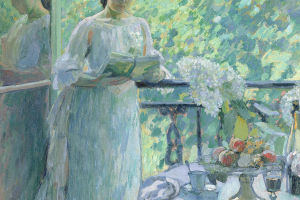
Fantin-Latour was known for his mastery in capturing quiet moments, often portraying people in their most reflective states. The Reader, painted in 1870 or 1877, exemplifies this focus on stillness and introspection. The subject, a woman engrossed in her book, creates a peaceful atmosphere that transcends the physical space, drawing the viewer into her world. Her face is serene, absorbed in the words she reads, as the rest of the world falls away.
The painting is a perfect example of how a simple subject can evoke complex emotions. The act of reading itself becomes a metaphor for deeper engagement with the world around us. By focusing on this single moment, Fantin-Latour makes the ordinary act of reading feel extraordinary.
The Role of Light and Composition
One of the standout features of The Reader is Fantin-Latour's use of light. The soft, diffused light falling on the woman's face and the book she holds creates a natural focal point. This subtle play of light and shadow gives the painting depth and draws our eyes to the most important elements of the composition—the subject and the book.
The background, while not as detailed, adds to the feeling of isolation and concentration. The muted tones of the surrounding space allow the subject to stand out. By minimizing distractions, Fantin-Latour ensures that we, too, are focused on the same thing as the woman in the painting—the book in her hands.
Color and Texture: Creating Atmosphere
Fantin-Latour's use of color further enhances the intimate atmosphere. The warm tones of the woman's skin, the soft folds of her dress, and the rich brown of the book all contribute to the painting's soothing feeling. The color palette is restrained yet effective, avoiding any harsh contrasts that could disturb the peacefulness of the moment.
The textures in the painting are also noteworthy. Fantin-Latour's delicate handling of fabric and skin contrasts with the smoothness of the book, creating an interesting interplay between softness and structure. This balance between texture and smoothness mirrors the balance between the intellectual and the tactile experience of reading.
A Reflection on Simplicity
What makes The Reader particularly remarkable is its simplicity. It doesn't rely on grand gestures or dramatic scenes to convey meaning. Instead, it captures the beauty of a quiet, solitary moment—a gesture many of us can relate to. In a world filled with noise and distraction, Fantin-Latour's painting encourages us to find peace in simple activities, like reading. It is a reminder that meaningful experiences can be found in the smallest of moments.
The painting doesn't just depict a woman reading; it invites the viewer to consider their own relationship with literature and the act of quiet reflection. Whether it's the escape into a fictional world or the solace found in non-fiction, reading has the power to calm the mind and enrich the soul. Fantin-Latour's portrayal of this act brings attention to the meditative nature of reading, offering a visual reminder of its importance in our daily lives.
An Actionable Takeaway: Create Your Own Quiet Space
Inspired by The Reader, you might consider creating your own reading space that reflects the peaceful serenity seen in the painting. You don't need a fancy room or expensive furniture—just a comfortable chair, a well-lit corner, and, of course, a good book. Make time each day to read, even if it's just for a few minutes. Create a space that invites calm and reflection, allowing you to step away from the hustle and bustle of daily life.
Ending Thoughts: The Power of Simplicity
Fantin-Latour's The Reader reminds us of the power of simplicity. By focusing on a single moment—a woman reading a book—he captures something universal and timeless. In our fast-paced world, taking the time to engage with a book can offer us a brief but valuable escape. It's a powerful reminder that the most profound moments can often be found in the quietest of activities.