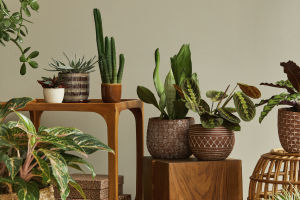
Imagine walking into a room and being greeted by the soothing yet vibrant beauty of a cactus garden. The spiky, sculptural forms of these desert plants offer a unique touch of nature that brings life to any space.
Not only are cacti low-maintenance, but they can also create a striking visual effect in your home or garden. If you're considering starting your own cactus garden, it's easier than you might think. Here's a simple guide to help you grow a thriving cactus garden that's as beautiful as it is easy to care for.
Why Cacti Make Great Garden Plants?
Cacti are more than just interesting to look at; they offer several practical benefits for your garden. They are incredibly drought-resistant, making them ideal for dry environments. Unlike many plants, cacti don't need constant watering, which makes them perfect for people who might not have the time to tend to more high-maintenance plants. Additionally, they thrive in sunny spots and can handle the heat of summer, making them the perfect addition to any garden, especially in areas with a lot of sun.
For beginners, cacti are incredibly forgiving. They don't require frequent attention or specific soil types, which is a big win if you're new to gardening. All you need is the right environment, a little patience, and a keen eye for beauty.
1. Choosing the Right Cactus Species
Not all cacti are created equal, and selecting the right species for your garden is key to its success. Some cacti thrive indoors, while others are better suited to outdoor gardens. When choosing, consider factors like climate, the amount of sunlight you receive, and the space you have available.
For example, if you're creating an indoor cactus garden, smaller varieties like the Mammillaria or Rebutia are perfect. These species stay compact and will do well in smaller pots. On the other hand, if you're planning to create an outdoor garden, you can go for larger species like the Saguaro or Prickly Pear. These varieties grow tall and make for eye-catching features in your garden.
Tip: Choose cacti that are native to your area or have similar climate needs to ensure they thrive with minimal care.
2. Creating the Perfect Soil Mix
Soil is one of the most important factors in a healthy cactus garden. Cacti need well-draining soil to prevent their roots from sitting in water, which can lead to rot. The best soil mix for cacti is one that's light, gritty, and allows water to pass through quickly.
For outdoor gardens, you can use a sandy or loamy soil base mixed with a bit of gravel or perlite. If you're planting cacti in pots, you'll want to purchase a commercial cactus or succulent mix, or make your own by combining regular potting soil with sand and perlite in a 2:1:1 ratio.
Tip: Avoid heavy clay soil, as it holds onto too much moisture and can harm the cactus roots.
3. Planting and Potting Cacti
When it comes to planting cacti, proper spacing and placement are essential. Whether you're planting cacti in the ground or in containers, make sure they have enough space to grow. Cacti can often become quite large, so give each plant plenty of room to spread its roots and expand.
For pots, choose containers that are slightly larger than the root ball of the cactus, allowing it to grow without being cramped. If you're planting them outdoors, ensure there's enough room between each cactus to account for their potential growth.
Once you've selected your cacti and containers, it's time to plant. Gently remove each cactus from its nursery container and place it in the hole or container. Fill in the gaps with your cactus mix and gently press down to secure the plant. Avoid watering immediately after planting, as the roots need time to settle in.
Tip: Wear gloves or use tongs when handling cacti to avoid getting pricked by their spines.
4. Caring for Your Cactus Garden
Caring for your cactus garden is surprisingly simple. Since cacti are drought-tolerant, they don't need frequent watering. Overwatering is one of the most common mistakes made by cactus gardeners. Water your cacti only when the soil is completely dry, and make sure the water drains freely from the container or soil.
For outdoor gardens, water them only during dry spells. When growing cacti indoors, ensure they get plenty of sunlight. A south or west-facing window is ideal. If you're unable to provide natural light, you can supplement with grow lights.
Tip: During the winter months, reduce watering as cacti go into a dormant phase and need less water.
5. Enhancing Your Cactus Garden with Decorative Elements
While cacti are stunning on their own, you can enhance the look of your garden by adding some decorative elements. Consider using colorful gravel, stones, or ceramic pots to complement the cactus colors. You can also add ornamental plants like succulents, which have similar care needs and can add variety to your cactus garden.
Creating layers in your cactus garden can add visual interest. Taller cacti like the Saguaro or Cereus can be placed in the back, with smaller, more compact varieties like Echinocactus or Astrophytum in the front. You can also use different textures, such as rocks, to create a desert-like landscape.
Tip: Be mindful of your cactus's growth and avoid overcrowding the garden. Each plant should have enough space to showcase its unique beauty.
The Beauty of Cactus Gardens
Cactus gardens are more than just functional—they're a work of art. With their unique shapes, spines, and colors, cacti can create a striking visual statement. Whether you choose to display them in pots or plant them outdoors, cacti bring a sense of the desert's harsh yet captivating beauty to your space.
Starting a cactus garden requires minimal effort but yields maximum beauty. By selecting the right species, providing the proper care, and adding some decorative touches, you can create a garden that's not only visually stunning but also low-maintenance. So, if you're ready to transform your home or garden into a beautiful desert oasis, it's time to dive into the world of cactus gardening.