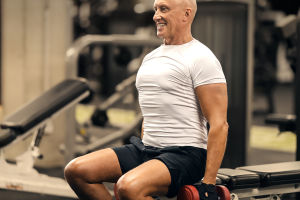
It's easy to skip a workout when you're alone, but stepping into a group class can change everything. Imagine a room full of people your age, all moving together, sharing smiles, laughter, and small victories.
That shared energy makes it easier to stick with exercise, even on days when motivation is low. The social aspect alone—chatting with others before or after class—can make seniors feel more connected and less isolated, turning fitness into a highlight of the week rather than a chore.
Structured Workouts for Safety
Group classes often come with professional guidance. Certified instructors lead seniors through exercises tailored to their abilities, ensuring proper form and minimizing injury risks. This structure is especially important for older adults who may be dealing with joint issues, reduced balance, or limited mobility. Participants gain confidence knowing the exercises are safe, and instructors often provide modifications to accommodate different fitness levels, allowing everyone to participate fully.
Physical Benefits You Can Feel
1. Improved strength: Regular classes using light weights or resistance bands help maintain muscle mass, which naturally declines with age.
2. Better balance and flexibility: Exercises that focus on core stability and stretching reduce the risk of falls.
3. Enhanced endurance: Activities like low-impact aerobics, walking circuits, or gentle dance routines help seniors maintain cardiovascular health.
Even small improvements in mobility can make daily tasks easier, from climbing stairs to carrying groceries, giving seniors a greater sense of independence.
The Social Connection
One of the greatest benefits of group fitness is the community it creates. Seniors often report feeling less lonely after joining regular classes. Sharing progress, encouraging each other, and even celebrating milestones together strengthens bonds that go beyond the studio. Many participants form friendships that extend into coffee meetups, walks in the park, or shared hobbies. This social support can boost mental well-being, reduce stress, and even improve adherence to exercise routines.
Variety Keeps It Fun
Group fitness isn't limited to one type of exercise. Seniors can try chair stretches, low-impact aerobics, resistance band sessions, or gentle movement flows. This variety keeps workouts interesting, challenges the body in different ways, and prevents boredom. Having multiple options also allows participants to rotate activities, which helps work different muscle groups and keeps the mind engaged.
Accountability and Encouragement
Being part of a class creates a sense of accountability. It's harder to skip a session when others are expecting you, and the friendly environment encourages pushing a little further without overexertion. Cheering each other on fosters a positive atmosphere where seniors feel capable and supported. Over time, this encouragement builds self-confidence and motivates participants to explore new activities outside the group setting.
Creating a Routine
Group fitness classes help seniors establish a consistent exercise routine. Knowing that a class happens at the same time each week makes planning easier and reinforces the habit of moving regularly. A predictable schedule also helps integrate fitness seamlessly into daily life, making it a stable and rewarding part of one's lifestyle.
Emotional and Mental Benefits
Exercise in a social setting does more than strengthen muscles. It releases endorphins that lift mood and reduce anxiety. Group workouts also provide mental stimulation through learning new movements, following patterns, and staying engaged with peers. Seniors often report feeling more energized, happier, and mentally sharper after consistent participation, which enhances overall quality of life.
Tips for Getting Started
1. Look for classes tailored specifically for seniors to ensure safe, age-appropriate exercises.
2. Start with shorter sessions and gradually increase duration as confidence and stamina grow.
3. Don't be afraid to ask instructors for modifications or adjustments to suit personal abilities.
4. Arrive a few minutes early to chat and build connections—it's part of the social experience.
Final Thoughts
Joining a group fitness class is about more than just working out; it's about joining a community. Seniors gain strength, endurance, balance, and flexibility, while also forging friendships that enrich their social lives. Whether it's moving to music, stretching together, or laughing through gentle exercises, the shared experience transforms fitness into something enjoyable and sustainable. By participating in group classes, seniors not only invest in their physical health but also nurture their emotional well-being, creating a more connected, active, and fulfilling lifestyle.