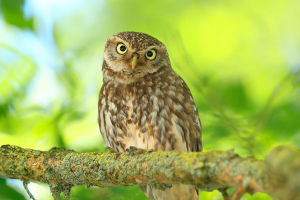
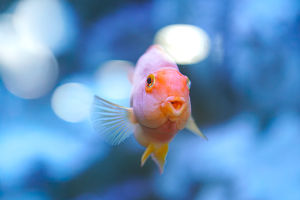
Watching a mother bird feed her chicks can feel like peeking into a secret world of care and strategy.
Animal parenting comes in endless shapes and sizes, from devoted mothers carrying young in pouches to fathers guarding nests with fierce determination.
Understanding these behaviors reveals not only survival tactics but also the ingenuity of life itself.
Parental Roles Vary Widely
Not all species share the same approach to raising offspring. In some cases, both parents are actively involved, while in others, one parent shoulders the responsibility entirely. Consider penguins: in many species, males incubate eggs while females hunt, taking turns to ensure both warmth and nourishment.
In contrast, crocodiles guard their nests, sometimes even carrying hatchlings to water, but leave further feeding and protection largely to the young themselves.
1. Shared Care: Many bird species, wolves, and primates split duties, providing both food and protection.
2. Single-Parent Care: Mammals like kangaroos rely heavily on mothers, using pouches to shield and transport their young.
3. Minimal Involvement: Some reptiles and fish provide only the bare necessities, such as depositing eggs in safe locations before moving on.
Feeding and Nourishment
Feeding strategies are diverse and adapted to each species' environment. Mammals often nurse with milk, offering nutrients and immune protection. Birds feed hatchlings regurgitated food suited to their developing digestive systems. Even insects display surprising care: certain ants feed larvae specialized secretions, ensuring they grow strong enough to serve the colony.
Protection Strategies
Keeping young safe requires ingenuity. Animals use camouflage, nests, burrows, or even social groups to reduce threats. Sea turtles lay hundreds of eggs on beaches, knowing only a few will survive, while elephants teach their young to navigate safely through the herd. Predator awareness and environmental hazards shape these strategies, balancing energy investment with survival odds.
Learning Through Observation
Parenting isn't only about feeding and protection—it's also about teaching. Many species train their young to hunt, forage, or recognize danger. Young wolves accompany adults on hunts, learning coordination and strategy. Young crows observe elders using tools to access food, demonstrating cognitive skill and adaptability. This hands-on learning is crucial, as instinct alone often isn't enough for survival in complex environments.
Adaptations for Survival
Different habitats demand different parenting solutions. Aquatic species may have floating nests or carry offspring in their mouths to protect from predators. Arboreal animals may construct hidden nests high in trees, safe from ground-based threats. Some amphibians lay eggs on land, with adults guarding moisture levels, while others deposit them in water to avoid desiccation. Every approach reflects a delicate balance between the environment, predator pressure, and available resources.
Lessons for Humans
Observing animal parenting highlights the diversity of survival strategies and the importance of care, attention, and timing. Even though humans raise children very differently, parallels exist in teaching, protection, and nurturing. Respecting these natural behaviors can enhance our understanding of wildlife and improve how we design conservation efforts, zoos, or sanctuaries.
A Thoughtful Takeaway
From the tiniest insect feeding its larvae to a mother elephant guiding her calf through vast landscapes, parenting in the animal kingdom is full of creativity, patience, and dedication. Each behavior reflects generations of adaptation, shaped by survival needs and environmental pressures.
Watching these interactions invites us to appreciate the care and complexity of life beyond our own species. It's a reminder that nurturing is universal, and survival often hinges on the bonds between parent and offspring.