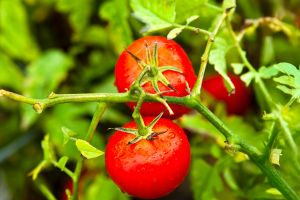
Growing tomatoes at home is incredibly rewarding. Whether you're trying to grow a few plants on your balcony or planning a whole garden, there's something satisfying about harvesting ripe, homegrown tomatoes.
However, cultivating healthy tomatoes requires understanding a few key factors: temperature, humidity, light, and pest control. Here's a comprehensive guide to growing the best tomatoes for your garden, step by step.
Perfect Temperature and Humidity
Tomatoes thrive in warm environments. The ideal temperature for growing tomatoes is between 70°F and 85°F during the day, and no cooler than 55°F at night. Anything below 50°F can stunt their growth, while anything over 90°F can lead to poor fruit set and blossom drop.
Plant your tomatoes outdoors only when nighttime temperatures consistently stay above 50°F. A late frost can damage your plants, so timing is key. You can use floating row covers to protect your plants during cooler nights early in the season.
Humidity is also crucial for tomatoes. Too much humidity can invite fungal diseases, while too little can lead to poor pollination and wilting. Aim for a humidity level of about 60-70%. You can manage this by regularly watering the base of the plants and mulching to help retain moisture.
Light: The Secret Ingredient
Tomatoes are sun-loving plants, and they need at least 6-8 hours of direct sunlight each day to produce healthy fruits. If you're planting indoors, a grow light is a must for keeping your tomatoes strong and productive.
Choose a sunny spot in your garden, preferably facing south or west for maximum sunlight exposure. Indoor growers should invest in full-spectrum grow lights that mimic natural sunlight, which will help your plants grow strong and sturdy.
It's important to note that while tomatoes need a lot of sunlight, too much intense heat can also stress the plants. If you live in a particularly hot climate, consider planting tomatoes in the early morning or late afternoon to avoid peak heat.
Watering and Soil: Key to Healthy Roots
Watering tomatoes is an art. Too much or too little water can affect plant health, especially when it comes to disease control. Aim for deep, consistent watering that reaches the roots rather than shallow, frequent watering.
Water deeply but infrequently, giving the soil time to dry between watering sessions. Tomatoes need about 1-1.5 inches of water per week, but this can vary depending on the weather. Always check soil moisture by sticking your finger into the soil. If it feels dry a couple of inches down, it's time to water.
The soil should be rich in organic matter, well-draining, and slightly acidic (pH of 6.0 to 6.8). You can amend your garden soil with compost or well-rotted manure to improve its structure. Raised beds are also a great option for better drainage.
Dealing with Pests and Diseases
Tomatoes are susceptible to a variety of pests and diseases, but with a bit of proactive care, you can keep them healthy. Aphids, whiteflies, and tomato hornworms are common pests that can quickly damage your plants.
Inspect your plants regularly for signs of pests or disease. Look under the leaves for tiny insects or yellowing spots, which can indicate pests or fungal infections. Insecticidal soap is a great organic option for managing pests, while removing affected leaves can help slow the spread of disease.
Another effective strategy is crop rotation. If you plant tomatoes in the same spot year after year, soil-borne diseases like blight can build up. By rotating your crops each year, you help reduce the risk of disease build-up.
Pruning and Support for Better Growth
Pruning is an important step in keeping your tomato plants healthy and productive. By removing excess growth, you allow the plant to focus its energy on producing fruit rather than maintaining unnecessary foliage.
Prune the lower branches and remove any suckers that grow between the main stem and side branches. This helps improve air circulation, reducing the likelihood of fungal diseases. Also, remember to stake or cage your tomato plants to keep them off the ground, reducing the risk of rot and pest damage.
Supporting your tomato plants will also make harvesting easier, and healthier plants will yield more fruit in the long run.
Harvesting: Timing is Everything
The moment you've been waiting for: harvesting your tomatoes! Timing your harvest is crucial, as tomatoes ripen quickly once they start changing color.
Harvest tomatoes when they are fully colored but still firm to the touch. If you're dealing with a cold snap or a late-season harvest, you can also pick tomatoes while they're still a little green and let them ripen off the vine in a warm room.
Always handle your tomatoes gently, as they bruise easily. Store them at room temperature to allow them to continue ripening, and enjoy them fresh or preserved for later.
Growing tomatoes is all about consistency, attention to detail, and patience. By providing the right environment, staying on top of watering and pest control, and harvesting at the right time, you'll enjoy a bountiful, healthy tomato harvest. Happy gardening!