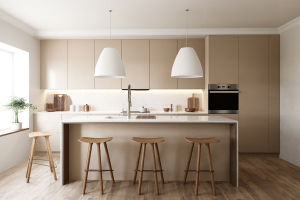
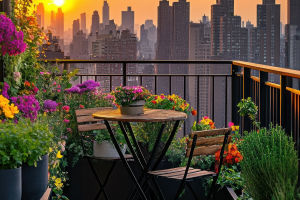
Living in a small space can feel cramped and limiting, especially when you want everything to feel open and functional. But what if you could turn that tiny apartment or cozy home into a stylish and spacious sanctuary?
With the right design strategies, you can make your small living space feel much larger than it actually is. Here's how to maximize your space and make the most of every inch.
1. Go Vertical: Use Your Walls
When floor space is limited, the best solution is often to look up! Vertical space offers endless possibilities for storage and design.
• Wall-Mounted Shelves: Use floating shelves to store books, decor, or kitchen essentials without taking up valuable floor space.
• Tall Cabinets: Opt for tall storage units that go all the way up to the ceiling, maximizing your storage potential.
• Hooks and Racks: Install hooks or racks on the walls for coats, bags, and accessories. It's an easy way to keep things organized and off the floor.
By using your walls effectively, you free up space for movement and create a cleaner, less cluttered environment.
2. Multi-Functional Furniture
In a small home, every piece of furniture needs to work hard. Investing in multi-functional furniture is one of the smartest ways to maximize space.
• Sofa Beds: These are perfect for small living rooms or studio apartments. You get a comfortable couch during the day, and a cozy bed at night.
• Extendable Dining Tables: If you love hosting dinner parties, an extendable table allows you to have extra seating when needed but can be compact the rest of the time.
• Storage Ottomans: Choose ottomans with hidden storage inside. They can serve as extra seating, a footrest, or even a coffee table, all while providing valuable storage space.
When choosing furniture for a small space, always ask yourself how it can serve multiple purposes. This will help you keep your living area practical and spacious.
3. Light Colors and Mirrors
Light colors and reflective surfaces work wonders for making a small space appear bigger and brighter.
• Light Paint Colors: Lighter shades such as whites, pastels, or soft neutrals reflect light, making rooms feel airy and open. Stick to lighter hues for walls and ceilings to create the illusion of more space.
• Mirrors: Strategically placing mirrors on walls will reflect natural light and make the room seem larger. You can also use mirrors to reflect your favorite pieces of furniture, further amplifying the feeling of space.
• Translucent Curtains: Opt for sheer or light-colored curtains to allow as much natural light into your home as possible. This also gives the room an open, breezy feel.
By incorporating light colors and mirrors, you create the illusion of depth and brightness, making your small home feel much larger than it is.
4. Declutter and Keep It Simple
When it comes to small spaces, less is more. Keeping your home clutter-free is essential for maximizing space.
• Keep Surfaces Clear: Avoid piling things on countertops or tables. Invest in storage solutions like baskets or boxes to hide smaller items.
• Declutter Regularly: Take a look at your things and ask if they truly serve a purpose. Regularly decluttering will help prevent your space from feeling overcrowded.
• Minimalist Approach: Stick to a simple, minimalistic design. Avoid overdecorating or crowding your space with too many items. The more open surfaces you have, the bigger the space will feel.
When you declutter and keep things simple, you're not only enhancing the visual flow but also creating a calmer, more inviting atmosphere in your home.
5. Smart Use of Zones
Even in a small home, you can create distinct zones for different activities. This is especially useful in open-plan spaces, where it can be hard to separate functions.
• Area Rugs: Use rugs to define different zones. A rug under the dining table, or a different one in the living area, can help set the tone for each space while still maintaining an open feel.
• Room Dividers: Consider using open shelving, folding screens, or curtains to divide areas, such as creating a bedroom nook in a studio apartment.
• Furniture Placement: The way you place your furniture can also help define zones. For example, orienting a sofa in a way that separates the living room from the dining area can make both spaces feel distinct but connected.
Creating zones helps the space feel organized and purposeful, without making it feel cramped or overstuffed.
6. Use of Natural Light and Greenery
A little greenery and natural light can go a long way in transforming your small home.
• Indoor Plants: Adding plants to your space can breathe life into it and make it feel more inviting. Choose compact plants like succulents, ferns, or small indoor trees that won't take up too much space.
• Natural Light: Maximize natural light by keeping windows unobstructed. Opt for blinds or curtains that allow light to flow through without sacrificing privacy.
Natural elements like plants and light not only help the space feel more open but also add a touch of warmth and freshness to your home.
Final Thoughts: Small Space, Big Potential
Living in a small home doesn't mean sacrificing style or functionality. By using clever design tricks like vertical storage, multi-functional furniture, light colors, and a minimalist approach, you can create a space that feels spacious, organized, and comfortable. It's all about making smart design choices that work for your lifestyle and embracing the potential of every inch. With the right mindset and a little creativity, even the tiniest space can be transformed into your perfect home.