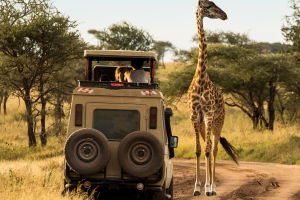
Think about a wildlife sanctuary, like a forest or a coral reef, where animals roam free, untouched by the dangers of poaching or habitat destruction.
While many of these areas exist within borders, their true protection often goes beyond just local or national efforts. Across the globe, countries come together to form international treaties and agreements that aim to protect wildlife.
These global efforts are often the backbone of conservation strategies, helping to safeguard species, ecosystems, and biodiversity for future generations.
So, how exactly do international treaties work in protecting wildlife, and why are they so essential for conservation?
1. What Are International Wildlife Treaties?
International wildlife treaties are legally binding agreements between countries that set out rules for the protection and preservation of endangered species and ecosystems. These treaties help coordinate global efforts to combat issues that no single country can solve alone, such as illegal wildlife trade, habitat loss, or climate change.
These treaties often focus on specific species or ecosystems, but they can also address broader environmental issues. Some treaties are legally binding, meaning countries that sign them must adhere to their terms, while others are more advisory in nature, offering guidelines but not requiring specific actions.
2. Key International Agreements in Wildlife Protection
Several treaties have had a significant impact on wildlife conservation. Some of the most important ones include:
- CITES (Convention on International Trade in Endangered Species of Wild Fauna and Flora): CITES is perhaps the most well-known treaty dedicated to wildlife conservation. It regulates international trade in endangered species to prevent over-exploitation. If a species is listed under CITES, its trade is either strictly controlled or completely banned, depending on the level of threat the species faces. For example, the illegal ivory trade is largely curbed due to CITES regulations.
- The Convention on Biological Diversity (CBD): This treaty focuses on preserving the world's biodiversity, promoting sustainable use of natural resources, and ensuring fair access to genetic resources. The CBD, which has been ratified by nearly every country, encourages governments to develop national strategies to conserve biodiversity and address the causes of species decline, such as habitat destruction and pollution.
- The Ramsar Convention on Wetlands: Focused on preserving wetland habitats, the Ramsar Convention promotes the sustainable use of wetlands, which are vital for both biodiversity and flood control. Wetlands provide critical habitats for migratory birds, amphibians, and countless other species. Through Ramsar, countries agree to protect key wetlands, such as the Everglades in the United States, and ensure they are managed sustainably.
- The Convention on Migratory Species (CMS): This treaty focuses on the conservation of migratory species, such as whales, elephants, and birds, that move across multiple countries during their life cycle. CMS encourages countries to cooperate in protecting these species, which may be endangered due to habitat loss or hunting in one country but are safe in another.
3. How Do These Treaties Work in Practice?
While signing a treaty is an important first step, the true impact of these agreements lies in their implementation. Here's how they make a difference on the ground:
- Creating Shared Standards: Treaties like CITES set global standards for species protection, ensuring that all member countries work towards the same goals. For example, CITES has a detailed system for classifying species into different appendices, each with varying degrees of protection. This helps governments and organizations around the world take coordinated action, making it harder for illegal trade to slip through cracks.
- Enforcing Anti-Poaching Measures: Many treaties set the stage for stronger anti-poaching laws and enforcement. For example, the CBD encourages signatories to develop laws that protect endangered species and combat habitat destruction. With international support and funding, countries can bolster their enforcement efforts, using tools like satellite tracking and wildlife rangers to monitor and prevent illegal activities.
- Funding and Technical Support: Treaties often provide financial and technical support to countries that may lack the resources for conservation. Through the Global Environment Facility (GEF), a partnership with the UN, countries receive grants to help implement biodiversity projects, such as creating protected areas, restoring habitats, and conducting species recovery programs.
- Fostering Collaboration Between Countries: One of the biggest challenges in wildlife protection is that many species don't recognize national borders. A river may flow through several countries, or a bird species may migrate across continents. International treaties facilitate cooperation between countries to protect these species wherever they roam. For example, through CMS, countries can work together to establish migratory routes or sanctuary areas for animals that travel through multiple nations.
4. Challenges and Criticisms of International Treaties
While international treaties play an essential role in wildlife protection, they are not without their challenges:
- Enforcement Issues: Even when treaties are in place, enforcing laws can be difficult. Some countries may lack the resources to properly monitor wildlife or may have conflicting economic interests, such as logging or mining, that threaten conservation efforts. Additionally, wildlife traffickers may exploit loopholes or take advantage of weak enforcement in certain regions.
- Government Commitment: The success of a treaty often depends on the governmental will of the signatory countries. In some cases, countries may sign agreements but fail to implement them effectively due to internal governance issues, economic pressures, or corruption. This can result in weak enforcement of laws or inadequate protection for species.
- Lack of Public Awareness: Many people are unaware of the importance of these treaties or the role they play in global conservation efforts. Raising awareness and educating the public can help build support for these agreements and ensure that they continue to have an impact.
5. How You Can Make a Difference
So, what can you do to support wildlife conservation efforts and international treaties? Here are a few actions you can take:
- Support Conservation Organizations: Many organizations work to enforce international treaties and protect endangered species. Donating to or volunteering with these groups can help amplify their efforts.
- Advocate for Stronger Protections: Stay informed about wildlife protection laws in your country and advocate for stronger enforcement of international agreements. Your voice can help make sure governments prioritize conservation.
- Make Ethical Consumer Choices: By choosing products that are certified sustainable (like eco-friendly seafood or fair-trade products), you can help reduce demand for goods that harm wildlife or contribute to habitat destruction.
A Final Thought
International treaties and agreements are essential tools in the global effort to protect wildlife. They provide the framework for collaboration, funding, and enforcement that allows countries to come together in the fight against species extinction. While there's still much work to be done, these treaties have helped save countless species from the brink of extinction and continue to pave the way for a more sustainable future.
Every effort counts—whether it's supporting an international agreement or simply spreading the word about the importance of wildlife conservation. Together, we can ensure that future generations will inherit a world where animals roam free and ecosystems thrive.