Rajasthan, the land of deserts, forts, and vibrant culture, is renowned for its regal heritage.
Among the most striking aspects of this heritage is the traditional attire of the Rajput community.
Known for its grandeur and artistry, the Rajputi Rajasthani dress embodies a perfect blend of history, culture, and craftsmanship. Characterized by bright colors, intricate prints, and luxurious fabrics, this attire is more than clothing—it represents a legacy of valor, elegance, and tradition.
Origins and Historical Significance
The roots of Rajputi Rajasthani attire trace back to the era of the Rajput kingdoms, where clothing was an essential marker of social status and identity. Royals and warriors of Rajasthan emphasized vibrant fabrics and rich adornments to display power and prestige. For women, the ghagra (long skirt), choli (blouse), and odhni (veil) became the quintessential ensemble, while men wore angarkha (long robe), dhoti, or churidar paired with turbans that indicated regional affiliation and family lineage.
Signature Colors and Symbolism
One of the defining features of Rajputi attire is its bold and bright color palette. Shades of red, yellow, orange, and green dominate women’s garments, reflecting not only the vibrancy of desert landscapes but also cultural symbolism. Red, often used in bridal wear, signifies prosperity and auspiciousness. Yellow represents fertility and joy, while green embodies growth and harmony. Men’s attire traditionally includes darker shades like navy, maroon, and deep green, often complemented by colorful turbans.
Prints and Craftsmanship
The charm of Rajputi attire lies in its intricate prints and patterns. Bandhani, a tie-and-dye technique, is one of the most iconic methods used to create unique patterns on fabrics. This technique involves tying small sections of cloth before dyeing, producing detailed dots and geometric designs.
Another hallmark is the block print, where wooden blocks carved with motifs such as flowers, animals, or royal insignia are used to imprint designs on fabrics. Leheriya, featuring wave-like patterns, is particularly popular during festivals and weddings. Each pattern is not only decorative but carries cultural significance, often telling stories of heritage or nature beliefs.
Fabrics and Textures
Rajputi clothing is crafted from high-quality fabrics that ensure durability and elegance. Cotton and silk are predominant choices, providing comfort in Rajasthan’s extreme climate. Velvet and brocade, often enhanced with zari (gold or silver thread), are preferred for ceremonial or royal occasions, adding a regal texture to the attire. The careful selection of fabrics allows for vibrant dyes to retain their brilliance, making the garments visually stunning while preserving traditional techniques that have been refined over centuries.
Jewelry and Accessories
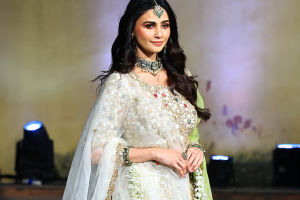
Completing the Rajputi look are the accessories, which elevate the attire to an art form. Women traditionally adorn themselves with borlas (forehead ornaments), heavy necklaces, bangles, and kamarbandhs (waist belts), often studded with precious stones. Men’s accessories include elaborate turbans, safas, and intricately embroidered footwear. Each accessory is thoughtfully designed to complement the attire’s color and pattern, creating a cohesive ensemble that is both aesthetically pleasing and culturally significant.
Modern Adaptations
While rooted in history, Rajputi Rajasthani dress has seamlessly adapted to contemporary fashion. Designers have introduced fusion wear, incorporating traditional prints and embroidery into modern silhouettes like gowns, sarees, and Indo-western outfits. Despite these innovations, the essence remains intact: bright colors, meticulous craftsmanship, and cultural storytelling continue to define the attire, keeping the legacy alive for new generations.
Cultural and Social Importance
Beyond aesthetics, Rajputi clothing carries social and cultural importance. It is an expression of identity and pride, particularly during festivals, weddings, and ceremonial events. The dress reflects the wearer’s regional origin, social status, and adherence to tradition, making it a living symbol of Rajasthan’s cultural richness. Wearing such attire preserves craftsmanship techniques that are centuries old and supports local artisans who specialize in Bandhani, block printing, and embroidery.
The Rajputi Rajasthani dress stands as a testament to Rajasthan’s royal heritage, artistic mastery, and cultural vibrancy. Through its preservation and continued popularity, the Rajputi Rajasthani dress remains a living celebration of Rajasthan’s enduring legacy.