If you've ever leaned against the rail at a zoo, you may have noticed something surprising. Beyond the crowds and camera clicks, some animals seem to connect in ways that defy expectations.
A lion lounging peacefully near a goat, a parrot perched beside a tortoise, or a giraffe bending low to nuzzle a smaller companion—it almost looks like something out of a children's book.
However, these unlikely friendships are real, and they raise an intriguing question: why do animals in zoos sometimes form bonds across species lines?
Why Friendships Form in Captivity
In the wild, survival rules the day. Predators hunt prey, and most species stick to their own kind. Zoos, however, change the equation. Food is provided, predators are separated, and daily routines become predictable. In that environment, the urgency of survival is replaced with new possibilities—companionship, play, and curiosity.
Animals are social beings at heart. When traditional group structures aren't available, they may look beyond their own species for connection. That's how a cheetah and a dog can end up sharing not just a space, but a friendship rooted in play and trust.
Examples of Unlikely Bonds
These cross-species friendships aren't everyday occurrences, but when they happen, they capture both hearts and headlines.
1. Big cats and dogs: Some zoos pair cheetahs with domestic dogs. The cheetah, often shy and anxious, gains confidence from the steady, playful nature of the dog. Visitors often see them chasing each other or resting side by side.
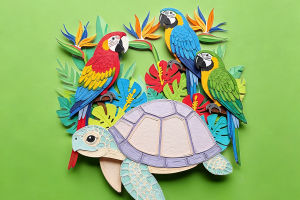
2. Birds and tortoises: Parrots have been known to perch comfortably on the shells of giant tortoises. The tortoise doesn't mind the free rider, and the bird gains a moving perch and company.
3. Primates and smaller animals: Monkeys have occasionally been spotted grooming or playing with goats or deer in mixed enclosures, forming bonds that seem to benefit both species.
These interactions aren't just cute—they provide stimulation and enrichment, reducing stress and boredom in captive environments.
The Science of Cross-Species Bonds
Researchers suggest that these friendships often stem from three key factors:
1. Shared environment: When animals live together, they naturally grow familiar with each other's presence.
2. Complementary traits: A bold, curious species may pair well with a calmer, steadier companion, balancing each other's behavior.
3. Emotional needs: Animals experience stress and loneliness. Having a friend—no matter the species—can provide comfort.
Just like humans, animals sometimes seek out relationships that meet their emotional needs, even if those relationships look unusual to outsiders.
Lessons for Us
What can we learn from a lion and a goat peacefully coexisting? More than you might think. These friendships remind us that connection isn't always limited by category or expectation. Differences—whether in size, behavior, or background—don't have to be barriers.
Zoos that encourage safe cross-species companionship also teach us about the importance of social enrichment. Providing animals with opportunities for interaction, play, and choice improves their well-being. It's a reminder that relationships, whether human or animal, thrive when nurtured in supportive environments.
A Final Reflection
Next time you visit a zoo, watch closely. Beyond the scheduled feedings and familiar enclosures, you might notice two unlikely companions sitting together in quiet companionship. Those friendships aren't scripted—they grow naturally when survival pressures fade, and curiosity takes over.
There's something deeply moving about it. If a parrot can find comfort on the back of a tortoise, or a cheetah can relax beside a dog, then maybe we, too, can learn to look past differences and value connection in unexpected places. In the end, these friendships show us not just the resilience of animals but also the universal need for companionship.