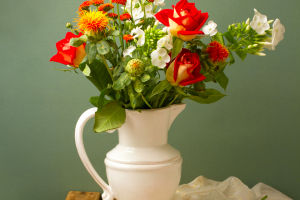
White flowers have held a special place in human culture for centuries, often representing purity, peace, and spiritual clarity.
Their delicate petals and serene colors convey a sense of calm, innocence, and renewal.
The Symbolism of White
White is universally associated with purity, cleanliness, and simplicity. In nature, the color often signifies new beginnings, such as fresh snow or early spring blooms. Similarly, white flowers evoke innocence, sincerity, and a sense of peace. They are frequently chosen for weddings, funerals, ceremonies, and moments of reflection, where their presence communicates emotions that are gentle yet profound.
The symbolism extends beyond human interpretation. Botanically, white flowers often bloom in ways that maximize visibility to pollinators, making them a natural symbol of clarity and openness. This inherent prominence mirrors their cultural significance as heralds of honesty and serenity.
Popular White Flowers and Their Meanings
Different white flowers carry nuanced symbolic meanings, allowing for precise expression through choice.
- Lilies are perhaps the most recognized symbol of purity and renewal. White lilies, especially, are linked to virtue and spiritual devotion.
- Roses, especially white roses, convey innocence, reverence, and peaceful intentions. They are often used in weddings to signify unity and sincerity or in memorials as an emblem of remembrance and respect.
- Orchids, delicate and exotic, symbolize refined beauty and purity of spirit. White orchids, in particular, carry a sense of elegance and tranquility, making them suitable for formal occasions or as contemplative gifts.
- Gardenias are known for their intoxicating fragrance and velvety petals. White gardenias symbolize secret love, purity, and peace, often gifted to express admiration and calm devotion.
- Chamomile and Jasmine, smaller yet impactful, are associated with simplicity, relaxation, and spiritual clarity. They are commonly used in teas or ceremonial arrangements, reinforcing a connection to inner peace.
White Flowers in Cultural Practices
White flowers play significant roles in cultural rituals worldwide. In Japan, white chrysanthemums are used in funerals, symbolizing grief, respect, and the purity of the departed soul. In Western cultures, white lilies and roses are prevalent at weddings, funerals, and ceremonies, emphasizing innocence, sincerity, and divine grace.
In some spiritual practices, white flowers are offered as symbols of meditation, healing, and protection. Their serene colors help cultivate focus, reflection, and emotional calm, demonstrating that their symbolism transcends decorative purposes and enters the realm of psychological and spiritual well-being.
Integrating White Flowers in Everyday Life
Using white flowers intentionally can enhance personal spaces and experiences. In home décor, white blooms add a sense of cleanliness and calm, particularly in living rooms, bedrooms, or meditation spaces. Pairing white flowers with natural greens, soft pastels, or subtle textures amplifies their tranquil effect, creating harmony and visual serenity.
Florists and gardeners can also use white flowers in mixed arrangements to balance bold colors or emphasize minimalist design. For example, a bouquet of white roses interspersed with green foliage can convey understated elegance, while white lilies and orchids in a vase provide a focal point of sophistication and peace.
White Flowers and Emotional Expression
Beyond aesthetics, white flowers are powerful tools for expressing emotions. They communicate sympathy, respect, or congratulations without the need for words. Their simplicity and clarity make them universally understood, transcending cultural and linguistic boundaries. Choosing white blooms in arrangements, gifts, or ceremonies allows one to convey profound emotions subtly yet effectively.
White flowers symbolize purity and peace through their colors, form, and cultural significance. Incorporating white flowers into your life—whether for personal reflection, gifting, or celebration—connects you to a deeper sense of serenity and clarity. In every petal, they remind us that beauty can be simple, emotion can be conveyed silently, and peace can bloom effortlessly in both nature and human experience.