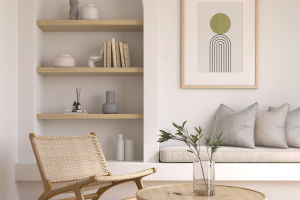
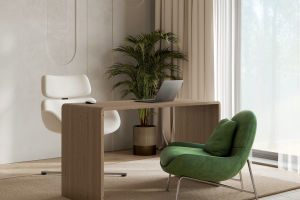
Many people think warmth comes from color palettes alone, yet lasting comfort often comes from how surfaces feel and interact. Texture shapes how light moves, how sound settles, and how a space responds to daily use.
When you walk into a room and feel relaxed without knowing why, texture is usually doing the quiet work. This guide explores why layered surfaces matter more than exact hues, and how you can use texture to build depth, comfort, and character without chasing trends.
How Texture Creates Warmth
You may notice that some spaces feel calm even with neutral shades. That calm usually comes from tactile variety rather than color contrast. Texture adds emotional softness by engaging more than sight alone. When your eyes meet varied surfaces, the room feels lived in and balanced.
Light and shadow effects
Smooth walls reflect light evenly, which can feel flat. When you add textured elements like woven throws, stitched cushions, or ribbed wall finishes, light breaks gently across surfaces. You experience subtle shadow shifts throughout the day. This visual movement creates warmth without needing darker tones. You can keep a light palette while still achieving depth.
Sound absorption and comfort
Hard surfaces bounce sound, making rooms feel sharp and restless. Soft textures absorb noise and create a sense of ease. Rugs, layered fabrics, and padded furniture help conversations feel calmer. You may not consciously notice the difference, but your body responds to quieter surroundings with comfort and focus.
Emotional connection through touch
Texture invites interaction. When you brush your hand across linen, wool blends, or carved wood, the room feels responsive rather than static. You feel welcome to settle in. This physical connection builds warmth faster than color changes because it involves the body, not just the eyes.
Using Texture Thoughtfully
Adding texture does not mean filling every corner. The goal is balance, where each surface plays a role. You guide the mood by choosing where softness meets structure.
Layering without clutter
You can layer textures gradually. Start with the largest surfaces, such as flooring or seating. Then add mid-scale elements like curtains or cushions. Finish with small touches like baskets or stitched details. This approach keeps the space open while still rich. You control warmth by spacing textures rather than stacking them everywhere.
Mixing natural and refined surfaces
Warm spaces often blend raw and polished materials. A smooth table paired with a woven runner feels balanced. A matte wall beside a subtle plaster finish adds interest without noise. When you combine refined and organic textures, the room feels grounded yet intentional. You do not need strong colors to define zones or moods.
Consistency over contrast
Too much contrast can feel busy. Instead of dramatic switches, aim for related textures with different scales. For example, fine fabric next to chunkier weaves creates harmony. You keep the space cohesive while still engaging. Warmth grows when the room feels unified rather than divided.
Warm homes rely on texture because texture speaks quietly and consistently. It shapes light, softens sound, and invites touch in ways color alone cannot. When you focus on surfaces and how they interact, you create rooms that feel calm, layered, and welcoming over time. By choosing thoughtful textures and placing them with intention, you build warmth that lasts beyond trends and seasons.