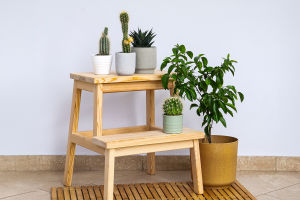
Bringing a touch of green indoors is one of the simplest ways to brighten a room and improve the mood. But indoor plants can be surprisingly delicate, and thriving greenery doesn't happen by accident.
From watering routines to light placement, small changes in care can make a huge difference in keeping your plants healthy and vibrant.
Choose the Right Spot
Light is the most crucial factor for indoor plants. Each species has its own preferences, so understanding what your plant needs is key. Some, like snake plants or pothos, tolerate low light, while succulents and fiddle leaf figs thrive near windows with bright, indirect sunlight.
Tips to apply:
1. Observe how sunlight moves through your room during the day and place your plants accordingly.
2. Rotate plants every few weeks to ensure all sides get light evenly.
3. Avoid placing delicate plants directly in harsh afternoon sun to prevent leaf burn.
For example, placing a spider plant on a table near an east-facing window gives it gentle morning sun, promoting steady growth without scorching the leaves.
Watering Smartly
Overwatering is one of the most common mistakes with indoor plants. Each plant has unique water requirements, so learn to read signs like drooping leaves or yellowing tips. Checking soil moisture before watering is the best approach.
Tips to apply:
1. Stick your finger about an inch into the soil; water only if it feels dry.
2. Use pots with drainage holes to prevent water from pooling at the bottom.
3. Adjust watering frequency based on the season—plants usually need less in winter.
For instance, a peace lily will droop slightly when thirsty. Watering it at this stage and allowing excess water to drain keeps roots healthy and prevents rot.
Use Proper Soil and Fertilizer
Soil quality directly affects plant health. Well-draining soil prevents root rot, while nutrient-rich soil supports growth. Fertilizing regularly ensures your plants get essential minerals they can't extract from standard potting mix.
Tips to apply:
1. Use cactus or succulent mix for plants that need excellent drainage.
2. Apply a balanced, water-soluble fertilizer once a month during the growing season.
3. Avoid over-fertilizing, which can burn roots or cause excessive leaf growth.
For example, a tomato plant grown indoors benefits from a liquid fertilizer every 4–6 weeks, helping it produce vibrant leaves and occasional flowers.
Prune and Groom Regularly
Pruning is more than cosmetic—it helps plants grow stronger and prevents disease. Removing dead or yellowing leaves encourages new growth and keeps the plant looking its best.
Tips to apply:
1. Use clean, sharp scissors or pruning shears to avoid damaging stems.
2. Trim spent flowers on flowering plants to encourage more blooms.
3. Remove weak or leggy growth to maintain the plant's shape and structure.
For instance, regularly trimming a pothos vine encourages fuller, bushier growth rather than long, sparse stems.
Control Temperature and Humidity
Indoor climates can be tricky. Plants generally prefer stable temperatures and moderate humidity. Drafts, heaters, or air conditioners can stress plants, affecting their growth.
Tips to apply:
1. Keep tropical plants away from cold drafts or hot vents.
2. Use a humidity tray or misting for plants that enjoy higher moisture levels.
3. Monitor room temperature to ensure it stays within the range suitable for your plant species.
A fern, for example, thrives when misted daily or placed near a humidity tray, keeping leaves lush and green.
Monitor for Pests and Diseases
Indoor plants can attract pests like spider mites or aphids, and fungal infections can appear if soil stays too wet. Early detection is key to managing problems without harming your plant.
Tips to apply:
1. Inspect leaves and stems weekly for tiny insects or unusual spots.
2. Wipe leaves with a damp cloth to remove dust and small pests.
3. Use mild, plant-safe insecticidal sprays if infestations occur.
For example, a small aphid outbreak on a jade plant can be controlled by rinsing leaves under lukewarm water and applying a mild soap solution, saving the plant from severe damage.
Caring for indoor potted plants is about observation and consistency. By placing them in the right spot, watering carefully, using suitable soil, pruning when needed, and monitoring their environment, you create conditions where plants not only survive but thrive. Over time, these small routines turn into habits, and your indoor greenery becomes a reliable source of life, beauty, and calm in your home.