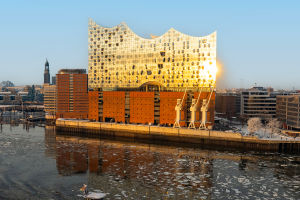
A building does not appear out of nowhere—it begins as a line on a sketchpad, a digital model, or a concept in the mind.
Architects are the bridge between imagination and reality, transforming abstract ideas into spaces where people live, work, and interact.
Observing an architect at work reveals a seamless blend of creativity and technical precision, where every decision shapes how a space is experienced.
Sketching and Concept Development
The first stage of architectural work is often the most creative: sketching and developing concepts. This is where ideas take shape, and simple lines evolve into complete spatial visions.
Practical examples include:
1. Architects may begin with hand-drawn sketches to explore layouts, proportions, and spatial flow for a project.
2. Studying how natural light enters a space at different times of day helps refine design direction before digital modeling begins.
3. Physical scale models provide a three-dimensional understanding of spatial relationships that cannot be fully captured in drawings.
This stage is essential for defining both the functionality and overall direction of a design.
Digital Modeling and Visualization
After initial concepts are developed, architects use digital tools to refine and develop their designs with precision. These tools allow for detailed modeling, visualization, and environmental simulation.
Practical examples include:
1. Three-dimensional modeling enables accurate testing of structure, proportions, and spatial arrangement before construction.
2. Virtual walkthroughs allow clients to experience and understand spaces before they are built.
3. Environmental simulations help analyze natural light, airflow, and energy efficiency to improve comfort and sustainability.
Digital modeling connects creative vision with technical execution, ensuring designs are both practical and achievable.
Collaboration and Coordination
Architecture is a collaborative process involving multiple disciplines working together toward a unified result. Architects coordinate closely with professionals from different fields to ensure design integrity and functionality.
Practical examples include:
1. Coordination with structural specialists ensures that buildings are safe, stable, and compliant with requirements.
2. Collaboration with interior designers aligns interior layouts, materials, and finishes with the overall architectural concept.
3. Regular site visits help monitor progress, address issues, and ensure that construction aligns with the design intent.
Effective communication is essential to maintaining consistency throughout the project.
Problem-Solving and Adaptation
Architects continuously adapt to challenges while balancing creativity, functionality, and practical constraints. Problem-solving is an essential part of the design process.
Practical examples include:
1. Uneven terrain may require adjusted foundations or stepped structures that work with the natural landscape.
2. Limited material availability can lead to alternative design solutions using suitable substitutes.
3. Changing project requirements may require redesigning spaces while maintaining overall design coherence.
Flexibility ensures that designs remain functional and achievable under changing conditions.
Attention to Detail and Finishing Touches
The final stage of architectural work focuses on refining details that define the character and quality of a space. These details bring the design together as a complete experience.
Practical examples include:
1. Selection of materials, colors, and finishes influences the atmosphere and perception of a space.
2. Custom-designed elements such as built-in storage or fixtures enhance functionality and aesthetic consistency.
3. Final inspections ensure that all elements are accurately executed according to the design specifications.
Attention to detail transforms a structure into a cohesive and well-balanced environment.
Architecture is a discipline that combines creativity, technical knowledge, and problem-solving. From initial sketches to final construction details, each stage contributes to shaping the spaces people use every day. Understanding this process highlights the complexity behind the built environment and deepens appreciation for thoughtful design.