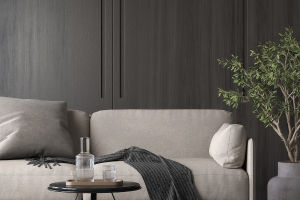
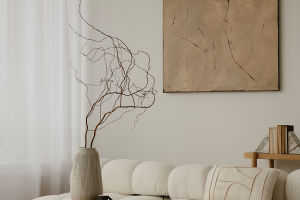
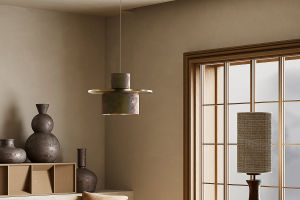
Stepping into a room with a soft rug underfoot can instantly change the way it feels.
Bare floors often make a space feel colder or less inviting, but a well-chosen rug adds warmth, texture, and personality without overwhelming the room.
The trick isn't just picking something pretty—it's about balancing style, function, and the daily rhythm of your home.
Consider the size first
Room balance, Defined spaces, Proportion matters
A rug that's too small can make a room feel disconnected, while one that's too large can overpower furniture and walls. Size affects both visual harmony and practical movement.
In living rooms, rugs should extend at least under the front legs of sofas and chairs to anchor the seating area.
For dining areas, choose a rug wide enough so chairs remain on it even when pulled out.
Measure the space and draw dimensions on the floor with tape before buying to avoid guessing.
A practical tip: use newspapers or cardboard cut to rug size on the floor to visualize how it will feel before purchasing.
Choose material based on use
Durability, Comfort, Ease of care
Different rooms demand different rug materials. Soft textures feel luxurious underfoot but may need more maintenance, while durable fibers withstand heavy traffic.
Wool is warm, resilient, and naturally stain-resistant, perfect for living rooms or bedrooms.
Cotton rugs are lightweight and easy to wash, ideal for casual dining areas or kitchens.
Synthetic fibers like polypropylene resist moisture and dirt, making them suitable for hallways or entryways.
Try mixing materials: place a wool rug in a formal living space for comfort and a synthetic one in a hallway for practicality.
Color and pattern for style
Visual interest, Room cohesion, Personality
Rugs influence the mood of a room. They can act as a neutral base or a bold accent, so color and pattern choice matters more than many realize.
Light colors open up small spaces, while darker tones hide stains in high-traffic areas.
Patterns can define a room or draw attention to specific areas, but large patterns suit spacious rooms better than cramped ones.
Coordinate with existing furniture and wall tones rather than matching exactly to avoid a forced look.
A simple method: pick one color from your furniture or wall palette and choose a rug with complementary tones to create a harmonious effect.
Layering and placement
Depth, Texture play, Flexible design
Layering rugs or positioning them carefully can enhance texture and dimension. Even small adjustments in placement change perception of space.
In large living areas, place a smaller patterned rug over a neutral base to add contrast.
Align rugs with furniture edges for visual stability instead of centering them randomly.
Leave 12–18 inches of bare floor around the rug in open rooms to prevent visual crowding.
Try this at home: move a chair slightly onto the rug and step back. Even small shifts can create balance and a cozier feeling.
Practical care and longevity
Ease of cleaning, Durable choice, Long-lasting comfort
A rug only improves a room if it stays clean and maintained. Choosing rugs that suit your lifestyle prevents frustration and keeps your home feeling fresh.
Vacuum regularly to prevent dirt from settling into fibers.
Rotate rugs periodically to avoid uneven wear, especially near sunlight or foot traffic.
Use a non-slip pad underneath to prevent movement and protect floors.
A helpful habit: schedule rug rotation every few months and spot-clean stains immediately for lasting quality.
The right rug does more than cover a floor—it sets the tone of a room, provides comfort underfoot, and ties the space together. When you consider size, material, color, placement, and care, choosing a rug becomes a thoughtful part of designing your home rather than a simple purchase.
Step by step, a well-selected rug transforms ordinary rooms into inviting spaces where comfort and style coexist. With attention to detail, even the smallest rug can feel like the quiet hero of your home's design.