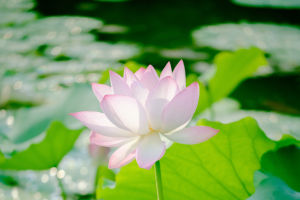
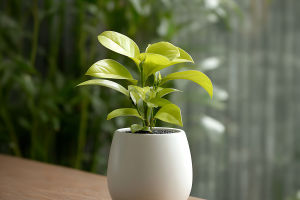
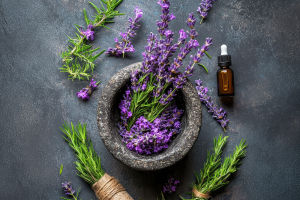
A beautiful floral arrangement doesn't truly come alive until it's captured in the right frame.
The way light hits a petal, the angle of a stem, or the softness of a background can completely change how a bouquet feels.
Creating an “Instagram-style” floral photo is less about expensive equipment and more about thoughtful composition and attention to detail.
Find the Right Natural Light
Light is the foundation of every strong floral photo. Without it, even the most elegant arrangement can feel flat.
Natural light works best, especially soft daylight near a window. Avoid harsh overhead lighting, which creates strong shadows and reduces color accuracy. Morning and late afternoon light tend to produce the most flattering tones.
Position your flowers so that light comes from the side or slightly behind them. This creates depth and highlights texture within petals and leaves.
Choose a Simple Background
A cluttered background competes with your subject. For floral photography, simplicity is essential.
Neutral walls, wooden surfaces, or plain fabric backdrops work well. The goal is to let the flowers remain the visual focus without distraction.
If your environment is busy, move the arrangement or adjust your angle. Even small shifts can significantly improve the final image.
Focus on Composition
Strong composition turns a simple bouquet into a striking image. Instead of centering everything automatically, explore different framing styles.
Try these approaches:
1. Rule of thirds: Place flowers slightly off-center for a more dynamic feel
2. Close-up framing: Highlight texture and detail of petals
3. Negative space: Allow empty areas to emphasize elegance
Each composition creates a different mood, so experiment before settling on a final shot.
Control Color Harmony
Color plays a major role in visual impact. Instagram-style floral photography often relies on soft, cohesive palettes.
To achieve balance:
1. Limit dominant colors: Too many tones can feel chaotic
2. Match background tones: Helps unify the image
3. Use contrast carefully: One accent color can elevate the entire composition
Soft pinks, whites, and greens often work well together, but bold tones can also succeed if balanced properly.
Adjust Angles for Impact
The same arrangement can look completely different depending on the angle.
Common shooting perspectives include:
1. Top-down view: Ideal for flat-lay arrangements
2. Eye-level shot: Creates intimacy and realism
3. Side angle: Highlights height and structure
Move around your subject before taking the shot. Small adjustments in angle can reveal hidden layers of beauty.
Pay Attention to Styling Details
Details matter more than most people realize. Slight imperfections can either add charm or create distraction, depending on intent.
Before shooting, check for:
• Drooping petals or damaged leaves
• Water stains on containers
• Unbalanced spacing between flowers
Sometimes removing a single stem can dramatically improve visual balance.
Use Props Sparingly
Props can enhance a floral photo, but overuse reduces focus. The goal is to support the flowers, not overshadow them.
Simple props like books, ceramics, or textured fabric work best. Keep them subtle and aligned with the overall color palette.
Less is often more—one or two supporting elements are usually enough.
Editing for a Soft Finish
Post-processing should enhance, not transform. Light adjustments can elevate your image while maintaining natural beauty.
Focus on:
1. Slight brightness correction: Improves clarity
2. Gentle contrast adjustment: Enhances depth
3. Soft color refinement: Maintains a natural tone
Avoid over-editing, which can make flowers lose their organic texture.
In the end, capturing “Instagram-style” floral photos is about harmony between light, composition, and restraint. When every element feels intentional but effortless, the image naturally draws attention. With practice, you begin to see not just flowers, but scenes waiting to be framed—and that's where truly compelling floral photography begins.