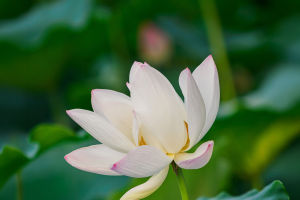
There's a moment in mid to late summer when an Oriental lily opens its first bloom and the scent just fills the room.
Dramatic, trumpet-shaped flowers up to 10 inches across, in shades of white, deep pink, crimson, and bi-color — these are not shy plants. And they're surprisingly manageable to grow once you understand what they need.
What Makes Oriental Lilies Different
Oriental lilies are true lilies in the genus Lilium — hybrids developed primarily from Lilium auratum and Lilium speciosum. They're among the tallest and showiest lily varieties, reaching anywhere from 3 to 8 feet tall depending on the cultivar. Popular varieties include Stargazer, Casa Blanca, Muscadet, Sorbonne, and northern Asia. They're hardy in zones 4 to 8, though with some care they can succeed in zones 3 to 9.
The fragrance alone sets them apart. A single bloom can fill a house — some people find it intense enough indoors that they snip off the stamens or move the flowers to a separate room.
Soil and Site Selection
The most important thing to get right is drainage. Standing water and soggy soil are the fastest way to lose bulbs to rot. Well-draining loamy or sandy soil with a pH of 6.0 to 6.5 is ideal. Heavy clay should be avoided, or amended with perlite, coarse sand, or compost to improve drainage.
Orient the planting location to give roots cool, shaded conditions while the foliage and blooms reach into full sun — at least 6 to 8 hours daily. A west-facing planting near a house wall often works well: enough afternoon sun without extreme late-day heat. Shelter from strong winds is also worthwhile, since tall stems can snap without support.
Planting the Bulbs
Plant bulbs in fall or early spring, 8 to 10 inches deep, measured from the base of the bulb to the soil surface. The pointed end goes up. Space bulbs about 12 inches apart. Work the soil to a depth of 12 inches beforehand to encourage good root development, and mix in compost or aged manure. After planting, water generously to settle the soil.
In cold zones, mulch the planting area with 4 to 6 inches of material to insulate bulbs over winter and keep the soil temperature stable.
Watering and Feeding
During the growing season, water deeply once or twice a week, aiming for about 1 inch per week. Morning watering is best — it lets foliage dry during the day, reducing the risk of fungal disease. Avoid overhead watering whenever possible; water at the base of the plant.
For fertilizing, apply a balanced formula (10-10-10) monthly during vegetative growth. As buds form, switch to a higher phosphorus formula (5-10-10) to support flowering. Avoid high-nitrogen fertilizers, which promote leafy growth at the expense of blooms. Once flowers open, stop fertilizing.
After Blooming and Pest Watch
After flowers fade, deadhead spent blooms but leave the stem and foliage completely intact. The plant needs those leaves to photosynthesize and feed the bulb for next year's display — cutting them back too early weakens the bulb significantly. Wait until the foliage naturally dies back, which typically takes 6 to 8 weeks after bloom.
The main pest to watch for is the red lily leaf beetle — a bright red beetle that can cause serious damage. Hand-pick adults and larvae promptly, or treat with horticultural oil in early spring. Botrytis blight can appear in wet conditions; improve air circulation and avoid overhead watering to keep it in check.
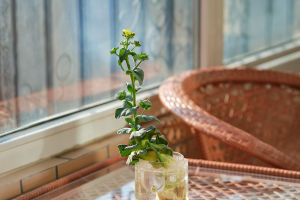
For cut flowers, harvest stems early in the morning when lower buds are just starting to open. Remove any leaves that would sit below the waterline in the vase, change the water every 2 to 3 days, and re-cut stems each time. A fresh cut bouquet can easily last 10 to 14 days.