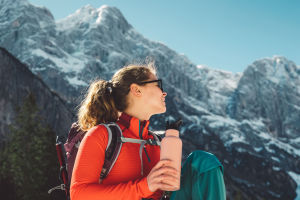
Trail running asks more from your gear than running on a paved road. Uneven ground, changing weather, longer distances, and limited access to water or help all mean that a few well-chosen items can make a big difference.
The right setup does not have to be heavy, but it should cover comfort, hydration, navigation, and basic safety.
Start With the Right Clothing
Your clothing should match the weather, distance, and terrain. A lightweight moisture-wicking shirt works well for warmer conditions because it helps move sweat away from the skin. In cooler weather, a long-sleeve running top can provide extra coverage without adding much weight.
A lightweight windproof or waterproof jacket is useful when conditions may change during the run. Even on a mild morning, temperatures can feel very different on exposed ridges or higher sections of a trail. For colder outings, a compact insulating layer can be carried in the pack and added when needed.
Do not overlook socks. Running-specific socks can reduce friction and help manage moisture. For footwear, choose trail-running shoes with a sole designed for uneven surfaces. Good traction is especially important on loose gravel, muddy sections, wet rocks, and steep paths.
A cap or lightweight hat can provide protection from strong sun, while gloves may be useful in colder conditions. The key is to avoid carrying more clothing than the forecast and route actually require.
Carry Water and Food
Hydration is one of the first things to plan before heading onto a trail. A running vest, hydration pack, or soft water bottles can make drinking easier while moving. The amount you need depends on distance, temperature, elevation, and whether reliable refill points are available.
For a short run near a familiar area, a small bottle may be enough. Longer or more remote routes require more careful planning. Check where water is available before leaving rather than assuming a stream or public fountain will be usable.
Food also becomes more important as running time increases. Convenient options include energy gels, chews, protein snacks, dried fruit, or other easy-to-carry foods that you already know your stomach handles well. For longer outings or hot conditions, an electrolyte product may also be useful.
Navigation and Safety Gear
A phone with an offline map is one of the most useful pieces of trail-running equipment. Download the route before leaving because mobile coverage can disappear in remote areas. A GPS running watch can provide additional route information, but it should not be your only navigation method.
For unfamiliar trails, keep a simple backup plan. A small waterproof map can be useful on longer adventures, particularly when battery life or signal becomes a concern.
A compact first-aid kit is worth carrying on routes where help may be far away. It can include basic wound-care supplies, medical tape, blister protection, and other simple items suited to the route.
A whistle takes almost no space and can help attract attention in an emergency.
On remote routes, an emergency communication or satellite signaling device may also be appropriate, especially when there is little or no mobile coverage.
Small Items That Matter
Some lightweight items can make a trail run much more comfortable. Sunglasses and sunscreen are useful on exposed routes, while lip balm can help in dry or windy conditions.
Trail-running poles can be helpful on long routes with sustained climbs or descents, but they are not necessary for every run. If you use them, practice with them before taking them onto a difficult trail.
A small pack should also leave room for essentials without becoming overloaded. Keep frequently used items such as water, food, and a phone easy to reach. Pack your emergency layer and first-aid supplies where they will stay dry and can be accessed quickly.
Pack for the Route, Not the Habit
The best trail-running kit is not the biggest one. Before every run, consider the distance, elevation, weather, daylight, trail conditions, water availability, and how familiar you are with the area.
A short run close to home may need little more than suitable shoes, water, a phone, and weather-appropriate clothing. A longer route in a remote area deserves a more complete setup, including extra food, navigation tools, an additional layer, first-aid supplies, and emergency equipment.
With a little planning, your gear can stay light while still giving you useful protection against common problems. That balance lets you focus on the trail, move comfortably, and handle unexpected changes with greater confidence.