Introduction: The Changing Landscape of the Art World
Imagine walking into an art gallery in New York, only to find a piece by a contemporary Japanese artist hanging next to a painting from an up-and-coming Brazilian talent.
Or think about a renowned European auction house selling a work by an artist from the Middle East. Today's art market looks very different from the past. The barriers that once confined art to specific regions or countries are quickly breaking down, thanks to the forces of globalization. The art world is no longer just about a few major cities; it's a vast, interconnected global marketplace.
The Rise of International Art Fairs
One of the most visible signs of the globalized art market is the rise of international art fairs. These events, held in cities across the world, have become the backbone of the global art trade. They offer a platform for artists, galleries, and collectors from diverse backgrounds to connect in ways that were previously unimaginable.
1. Global Connectivity: Art fairs like Art Basel (held in Miami, Basel) and Frieze (in London, New York, and Los Angeles) attract top collectors and galleries from across the globe. Artists now have the opportunity to showcase their work on an international stage, often reaching a broader and more diverse audience than ever before.
2. Access for New Markets: International art fairs also allow galleries to introduce their artists to collectors in emerging markets. With wealth growing in countries outside traditional art hubs, fairs have expanded to cities like Dubai, offering artists a chance to tap into new and lucrative markets.
3. Promoting Cultural Exchange: The global nature of these fairs fosters cultural exchange, allowing different artistic traditions to intersect and influence each other. This blending of cultures is enriching both the art and the market, giving rise to unique artistic practices that reflect a more interconnected world.
The Influence of Technology on Art's Global Reach
Technology plays a major role in how art is bought, sold, and consumed on a global scale. The internet has brought art closer to collectors around the world, breaking down geographic boundaries and democratizing access to the art market.
1. Online Auctions and Sales: Auction houses like Sotheby's and Christie's have embraced the digital age by holding online auctions, allowing buyers from anywhere in the world to participate. This has made it easier for both seasoned collectors and newcomers to access high-quality art, even if they aren't able to attend physical auctions.
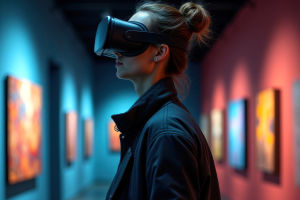
2. Virtual Galleries: Many galleries now offer virtual tours and exhibitions, making it possible for art lovers to explore a range of artworks from the comfort of their own homes. Virtual reality (VR) and augmented reality (AR) are also enhancing the online viewing experience, offering potential buyers a more immersive and lifelike experience.
3. Social Media and Online Communities: Platforms like Instagram have become key tools for artists and collectors alike, providing a space for discovery, marketing, and engagement. Artists can share their work with a global audience, while collectors can connect with one another and with galleries across the world. Social media has also become a valuable tool for promoting art and fostering online communities of enthusiasts.
Emerging Markets and New Opportunities
As globalization continues to spread, art is no longer confined to traditional Western markets. Emerging economies are playing an increasingly important role in shaping the global art market.
1. Growing Art Markets in Asia and the Middle East: In recent years, we've seen a surge in art auctions and galleries emerging in parts of Asia, particularly in countries like South Korea. With a rapidly expanding upper class and a growing interest in collecting, these regions are becoming powerful players in the global art scene. The art market in the Middle East has also flourished, especially in places like Dubai, where major auctions are now taking place.
2. Expanding Opportunities for Artists: Artists from these emerging markets are gaining international recognition, and the demand for their work is growing. This creates a more diverse and dynamic art market, as previously overlooked artists from underrepresented regions are now able to reach collectors and institutions globally.
3. Collecting Beyond the Traditional: As wealth grows in new markets, there is also a shift in the types of art that are being collected. Contemporary and digital art, including NFTs (non-fungible tokens), are becoming more popular in regions where the younger generation is looking for fresh and innovative ways to invest in art.
The Challenges of a Globalized Art Market
While the globalization of the art market offers a wealth of opportunities, it also presents several challenges that must be addressed.
1. Cultural Commodification: As art becomes more of a commodity in the global market, there are concerns that traditional cultural narratives could be lost or overshadowed. The pressure to cater to international tastes may lead artists to prioritize marketability over authenticity, resulting in the commodification of culture rather than its celebration.
2. Increased Competition: With the expansion of the art market, artists and galleries face heightened competition. As emerging markets become more saturated with art fairs and exhibitions, it can become harder for individual artists to stand out. For collectors, it can be difficult to navigate a constantly changing and expanding landscape, particularly with the influx of new artists and art styles.
3. Environmental and Ethical Considerations: The global art trade also raises concerns about the environmental impact of shipping artworks across the world. Additionally, the increased demand for art may lead to ethical issues surrounding the provenance of certain pieces, particularly if they have been illegally acquired or exported.
Conclusion: The Future of a Globalized Art Market
The globalization of the art market is transforming the way art is bought, sold, and consumed. It has opened up new opportunities for artists and collectors, allowed for the exchange of cultural ideas, and created a more interconnected and accessible market. However, this shift also presents challenges related to cultural authenticity, market saturation, and environmental impact. As the art world continues to globalize, it will be essential to navigate these complexities while ensuring that the rich diversity of artistic expression remains at the forefront of the industry.