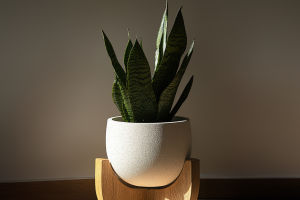
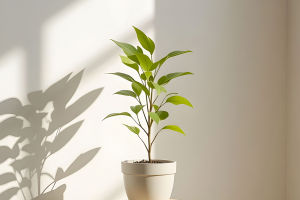
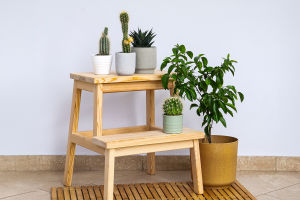
Stepping into a room, you might barely notice the furniture—but a carefully placed vase can catch your eye instantly. Its shape, color, and even the way light plays through it can turn an ordinary corner into a point of interest.
Vases aren't just containers; they're subtle storytellers in our homes, holding both flowers and moments of creativity.
Understanding Vases and Their Purpose
A vase at first glance seems simple: a container for flowers. But its design, material, and finish influence both its utility and aesthetic appeal. Vases come in many forms—glass, ceramic, metal, or even wood—and each material adds a unique personality to your space. For instance, glass offers transparency and elegance, while ceramic conveys warmth and handcrafted charm. Knowing the type of vase you choose helps you decide whether it's purely decorative or functional.
Glass: Offers clarity and elegance, ideal for showcasing flowers or water arrangements.
Ceramic: Often handcrafted, giving a unique touch and adding warmth to a room.
Metal: Strong and reflective, can serve as a modern or industrial accent.
For example, a small glass vase filled with wildflowers can create a fresh, inviting corner in your living room. Understanding the material sets the stage for creative use.
Function and Aesthetic
Vases perfectly combine practical use with decorative appeal. They hold flowers, branches, or other items, but they also serve as standalone artworks. Their form, whether tall and slender or short and round, interacts with light and space to create visual interest.
Placement Matters: Positioning a vase in a high-traffic area or near a window can enhance its visual impact. A tall glass vase, for instance, reflects sunlight and brightens a dark corner.
Complementing Décor: Match the vase's color or texture with surrounding furniture for a harmonious look, or use contrast to make it a focal point.
Seasonal Adaptation: Swap out flowers or fillers according to the season. In winter, bare branches or pinecones can fill the vase, while spring brings fresh blooms.
An actionable example: place a tall glass vase on a small side table, fill it with long-stemmed tulips in spring, and watch the room instantly feel more alive. Even when empty, its shape and reflections add elegance.
Choosing the Right Shape and Size
The shape of a vase affects how it interacts with both flowers and the surrounding environment. Consider these aspects when picking one for your home:
Tall vs. Short: Tall vases support long-stemmed flowers, creating vertical lines, while short vases work for bouquets and smaller arrangements.
Wide vs. Narrow: Narrow-neck vases group flowers tightly, giving a sleek, modern look. Wide-mouth vases allow for fuller, more casual arrangements.
Balance: Ensure the vase's size is proportional to the surface it sits on. A tiny vase on a large console may feel lost, while an oversized vase can dominate a small table.
For instance, a medium-height ceramic vase on a bookshelf can serve as a subtle accent without overwhelming the space, while still holding a few fresh flowers.
Creative Uses Beyond Flowers
Vases don't need to be limited to floral arrangements. Their design allows for numerous creative applications around your home.
Decorative Filler: Use pebbles, beads, or marbles inside the vase for a sculptural effect.
Functional Storage: Smaller vases can hold pens, paintbrushes, or kitchen utensils.
Art Installation: Group vases of different heights and materials together to create an engaging visual display on a shelf or mantel.
Example: a set of three empty glass vases of varying heights arranged together can become a modern art piece, adding personality without taking up too much space.
Maintaining Your Vase
A beautiful vase deserves proper care. Cleaning and maintenance preserve its appearance and longevity:
Regular Cleaning: Wash with mild soap and water to remove dust or residues. Glass and ceramic are easiest to maintain, while metal may need polishing.
Avoid Extreme Conditions: Keep vases out of direct sunlight to prevent fading and away from areas with high humidity if the material is sensitive.
Seasonal Care: Change water frequently if holding fresh flowers to prevent stains and residue build-up.
For example, rinsing a glass vase with warm water weekly keeps it sparkling and ready for new arrangements.
Vases are more than simple containers; they bridge utility and art. Their form, placement, and content transform ordinary spaces into moments of visual delight.
Whether you fill them with flowers, branches, or leave them empty, a vase invites creativity, reflection, and subtle elegance into everyday life. Choosing the right vase and giving it thoughtful placement can change how a room feels, making your home both functional and inspiring.