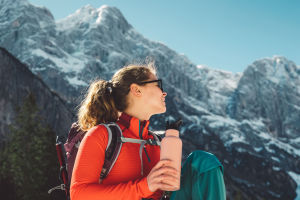
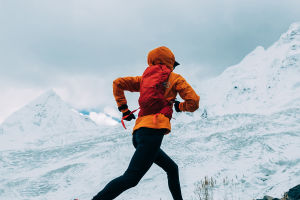
High-altitude snow hiking combines demanding terrain, cold weather, changing conditions, and reduced oxygen levels. Good preparation is therefore about more than fitness.
A suitable route, gradual acclimatization, proper equipment, steady pacing, and knowing when to turn back can make a major difference.
Build Fitness Before the Trip
High-altitude hiking places continuous demands on the legs, heart, and breathing. Regular preparation before the trip can make long climbs and carrying a backpack much easier. Aerobic training such as brisk walking, running, cycling, swimming, or stair climbing can improve general endurance.
Strength work should also include the legs, hips, back, and core because steep trails often require repeated climbing while carrying equipment.
It is useful to include longer hikes in your preparation. These sessions help you understand how your body responds to several hours of movement and give you a chance to test your footwear, backpack, clothing, and other equipment before reaching the mountains.
Rest is equally important. Avoid arriving at a high-altitude destination already exhausted. Good sleep and enough recovery time before the trip can help you start in better condition.
Plan for Acclimatization
Altitude sickness can occur when the body has not yet adjusted to reduced oxygen availability. Common symptoms can include headache, dizziness, unusual tiredness, nausea, and poor sleep.
There is no reliable way to predict exactly who will develop symptoms. Previous experience at altitude does not guarantee that a future trip will be symptom-free. The safest approach is to allow time for gradual acclimatization.
Avoid making a rapid jump to a much higher sleeping altitude whenever the itinerary allows flexibility. Once at altitude, keep the first period relatively easy and pay attention to how you feel before increasing the intensity.
Most importantly, do not treat worsening symptoms as something that must simply be endured. If symptoms become significant or continue to worsen, stop ascending and seek help from an experienced guide or local medical service. Severe symptoms, especially difficulty breathing at rest, confusion, inability to walk normally, or rapidly worsening weakness, require urgent attention and descent.
Choose Equipment for Snow and Cold
Snowy mountain conditions can change quickly, so equipment should match the route, altitude, weather, and expected duration. A practical clothing system usually includes a moisture-managing base layer, an insulating layer, and a wind- and water-resistant outer layer. Carry additional warm clothing rather than relying on the temperature at the trailhead.
A suitable backpack, sturdy hiking footwear, warm gloves, hat, sunglasses with strong UV protection, sunscreen, headlamp, trekking poles, water containers, food, and a basic first-aid kit are useful starting points. For overnight trips, sleeping equipment must also be appropriate for the expected low temperatures.
Do not wait until the mountain to discover that a new pair of boots causes discomfort or that your gloves are not warm enough. Test important equipment during training hikes first.
Keep a Steady Pace
At high altitude, rushing can make fatigue arrive quickly. Walk at a pace that allows controlled breathing and regular movement rather than trying to match faster hikers. Take shorter steps on steep terrain and use trekking poles when appropriate. Keep drinking regularly and eat enough to maintain energy, especially during long sections without a convenient rest point.
Cold weather can reduce the sensation of thirst, so hydration still requires attention. At the same time, avoid forcing excessive amounts of water simply because you are worried about altitude sickness.
Drink according to conditions, activity, and your body's needs, while maintaining adequate food and electrolyte intake. Snow also reflects strong sunlight. Sunglasses that provide appropriate UV protection can help protect the eyes, while sunscreen and suitable clothing reduce sun exposure.
Know When to Turn Back
One of the most important skills in high-altitude hiking is recognizing that reaching the summit is optional, while returning safely is essential. Before leaving, establish a realistic turnaround point and an alternative descent route. Weather, trail conditions, fatigue, equipment problems, and altitude symptoms can all change the plan.
If you or a hiking partner develops concerning symptoms, communicate clearly and reassess the situation instead of hiding discomfort. A guide or experienced leader should know about significant changes as early as possible.
Good preparation does not eliminate every risk in a snow-covered high mountain environment. It gives you better options when conditions change. With gradual acclimatization, appropriate equipment, sensible pacing, and the willingness to descend when necessary, high-altitude hiking can be approached with greater confidence and responsibility.